
Rustproofing in the GTA: is it worth it before winter?
Seasonal care · By Joe · · 6 min read
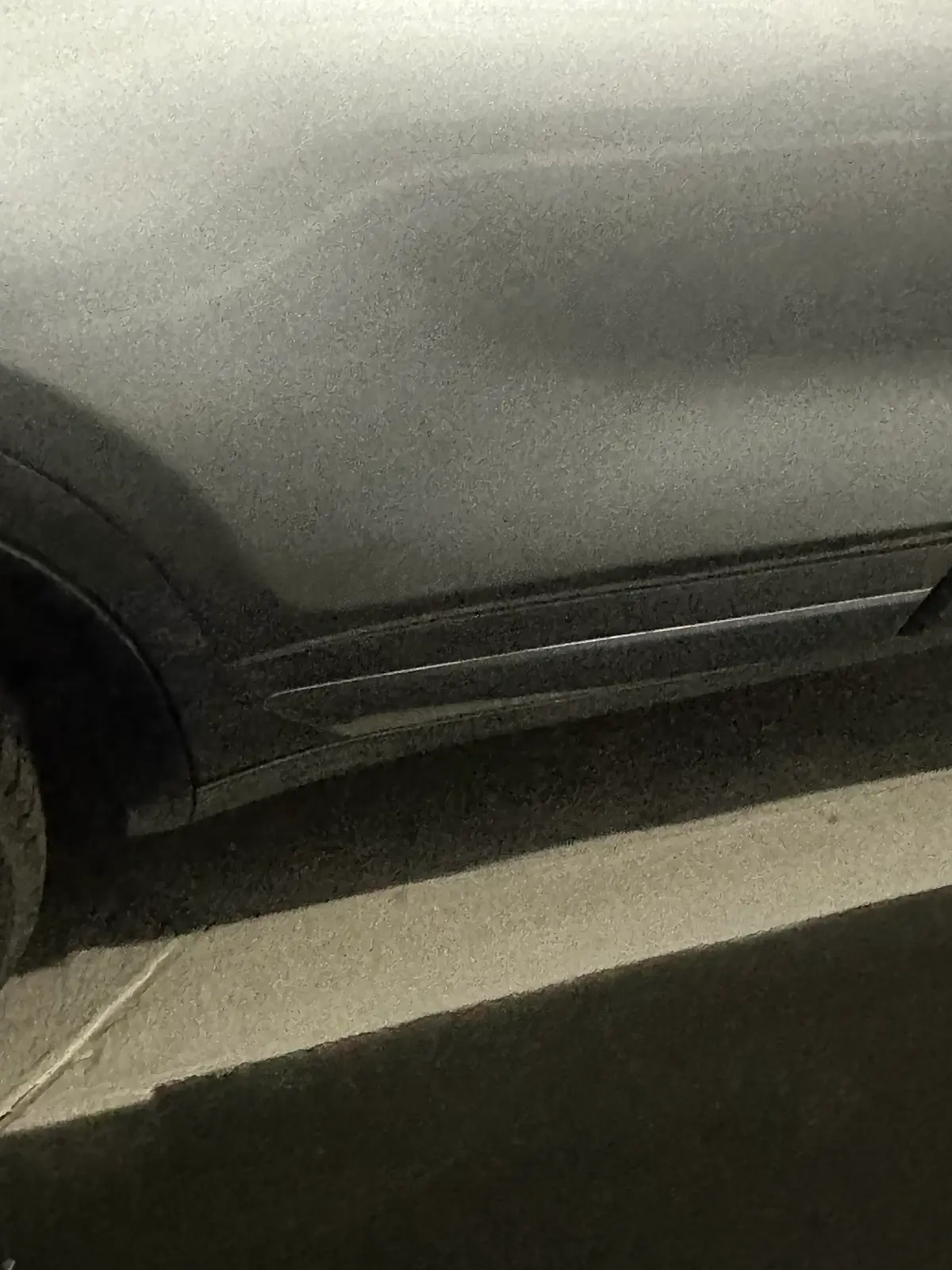
For most cars on GTA roads, yes. If you're keeping the vehicle past its fourth or fifth winter, rustproofing costs a lot less than the rocker panels, wheel arches and brake lines it protects. The research backs that up, and the best time to book it is before the salt trucks go out.
What a Toronto winter does to your car
The City of Toronto spreads between 130,000 and 150,000 tonnes of road salt in a typical winter, across about 14,700 lane kilometres of road (City of Toronto winter operations fact sheet). That's before you count the 401, the DVP and every plaza parking lot.
Salt keeps the roads drivable. It also mixes with slush into a brine that gets thrown into every seam under your car, and salt water speeds up corrosion. It collects in the spots that stay damp all winter:
- rocker panels and the pinch welds along the bottom of the car
- inside the rear wheel arches and behind the fender liners
- the bottom edges of doors, the hatch and the trunk lid, where drain holes plug up
- the subframe, suspension mounts and exhaust hangers
- brake and fuel lines running along the floor
Most body rust starts on the inside of a panel and works its way out. By the time a bubble shows in the paint over a wheel arch, the metal behind it has usually been going for a while.
It isn't a small bill either. AAA estimated that road salt and de-icers cost U.S. drivers more than $3 billion a year in rust repairs, and 15% of the drivers it surveyed in winter-climate regions had paid for at least one rust-related repair in the previous five years (AAA, 2017).
Does rustproofing actually work? What the research found
There's a real study on this, and it was done right here in Ontario. Researchers at the University of Windsor photographed 17 rust-prone spots on 369 vehicles: 228 that had been treated with an oil-based rust inhibitor and 141 that hadn't. They then measured the corroded area on each part (Sawyer-Beaulieu, Tam and Hussein, Materials, 2022).
The untreated cars had:
- 6.8 times more rust on their body panels
- 3.6 times more rust on underbody parts
- 3.9 times more rust overall
The part most people miss is the timing. For cars four years old or newer, the researchers found no real difference between the two groups. The factory corrosion protection was still doing its job. From year five on, the gap opened up. In the 9-to-12-year group, the untreated cars averaged more than five times as much corrosion as the treated ones.
Two fair caveats. The treated cars in the study all used one brand's oil spray, so the results speak to oil-based treatment, not every product on the market. And the measurements were done by eye from photos, which the authors point out adds some variation. Even so, a gap that size is hard to argue with.
The main types of rustproofing
You'll hear a few products pitched every fall. Here's how they differ.
Drip oil spray
A thin oil is sprayed into the doors, rockers, tailgate and underbody, usually through small access holes. Because it stays liquid, it keeps creeping into seams and pushes moisture out. The Windsor study looked at an oil-based product. The downside is that it drips for a day or two afterwards, so park on the street or put cardboard down. It washes off over the season and gets redone every year.
Dripless spray
A thicker product that sets into a waxy film. No mess on the driveway, and it can last longer between applications. Once it sets, though, it doesn't creep the way oil does, and it can crack with age. Have it checked each fall (RATESDOTCA).
Rubberized undercoating
A heavy coating sprayed on the underbody. It's good against stone chips and it quiets road noise. It doesn't get inside the panels, where a lot of rust starts. If it cracks, water can sit underneath it, right against the metal. It works best as an add-on to an oil spray, not as the only protection on the car.
Electronic modules
A small box wired to the car that sends a low current through the body. How well these work on road vehicles is still debated, and they don't put anything between the salt and the metal. We wouldn't rely on one.
Is it worth it on your car?
It depends on the car and how long you'll keep it.
A new car you plan to keep. Start in the first year or two, while the metal is clean. The study suggests the payoff shows up later, around year five and beyond, but you can't go back and protect seams that have already started to rust. Also check the corrosion warranty in your owner's booklet. Most only cover rust that eats all the way through a body panel, and they usually leave out underbody parts like brake lines and subframes.
A car that's three to six years old with no rust yet. This is the best candidate. You're right at the point where the study found the gap starts to open.
A car that already has rust bubbles. An oil spray can slow surface rust, but it won't reverse it. Say you've got a bubble the size of a loonie on a rear wheel arch. Cutting that out and repairing it now is a small job. Leave it two more winters and it can turn into a quarter panel repair. Get those spots fixed first, then protect the rest.
A lease you're handing back in two years. You can probably skip it.
Work vans and fleet vehicles. These sit outside, run salted routes every day and often stay in service well past five years, which is right where the study's numbers get big. For a fleet, an annual treatment costs far less than pulling a van off the road for rust repairs. Our fleet repair program can book a group of vehicles in one go.
Timing, and a few habits that help
Oil sprays go on best when the car is clean and dry and the temperature is above freezing. In Toronto that usually means October or November. Once the first big storm hits, you're spraying over salt that's already in the seams.
A few habits help. The first and third come straight from AAA's winter advice, and the rest come from what we see in the shop:
- Rinse the underbody at a car wash on mild days, especially after a heavy salting, and give it a thorough wash in spring.
- Keep the drain holes at the bottom of the doors and rockers clear.
- Get stone chips and scrapes fixed before winter. Bare metal under a chip rusts fast once salt reaches it.
- If you have a fender bender in the winter, don't leave cracked paint or a torn bumper until spring. Salt gets into the damage, and you end up paying for rust on top of the original repair.
We do rust proofing and undercoating at our shop at 1571 Warden Ave. in Scarborough, along with dent and scratch repair for the chips and scrapes that let rust in. Send us a message or call 416-298-6886 to book before the snow starts.
Common questions
How often should I rustproof my car?
A drip oil spray washes off over the season, so it's redone every year. Dripless products last longer but can crack with age, so have them checked each fall. Undercoating should be inspected yearly for cracks.
When is the best time to rustproof a car in Toronto?
In the fall, before the salt trucks go out. The car should be clean and dry and the temperature above freezing, which in Toronto usually means October or November.
Does rustproofing really make a difference?
A University of Windsor study of 369 vehicles found untreated cars had about 3.9 times more corrosion overall than cars treated with an oil-based inhibitor. The gap showed up from about year five onward, once the factory protection started to wear.
Can rustproofing stop rust that has already started?
An oil spray can slow surface rust, but it won't repair metal that's already bubbling or rusted through. Have those spots repaired first, while they're still small and cheaper to fix.
Written by Joe
Joe co-owns AutoStyle Collision at 1571 Warden Ave. in Scarborough, which has been repairing cars for GTA drivers since 2000. Of the two owners, he's been in the collision trade a little longer, and together he and Rashad bring more than 32 years of experience to every repair.